Blast Chiller Operation Best Practices
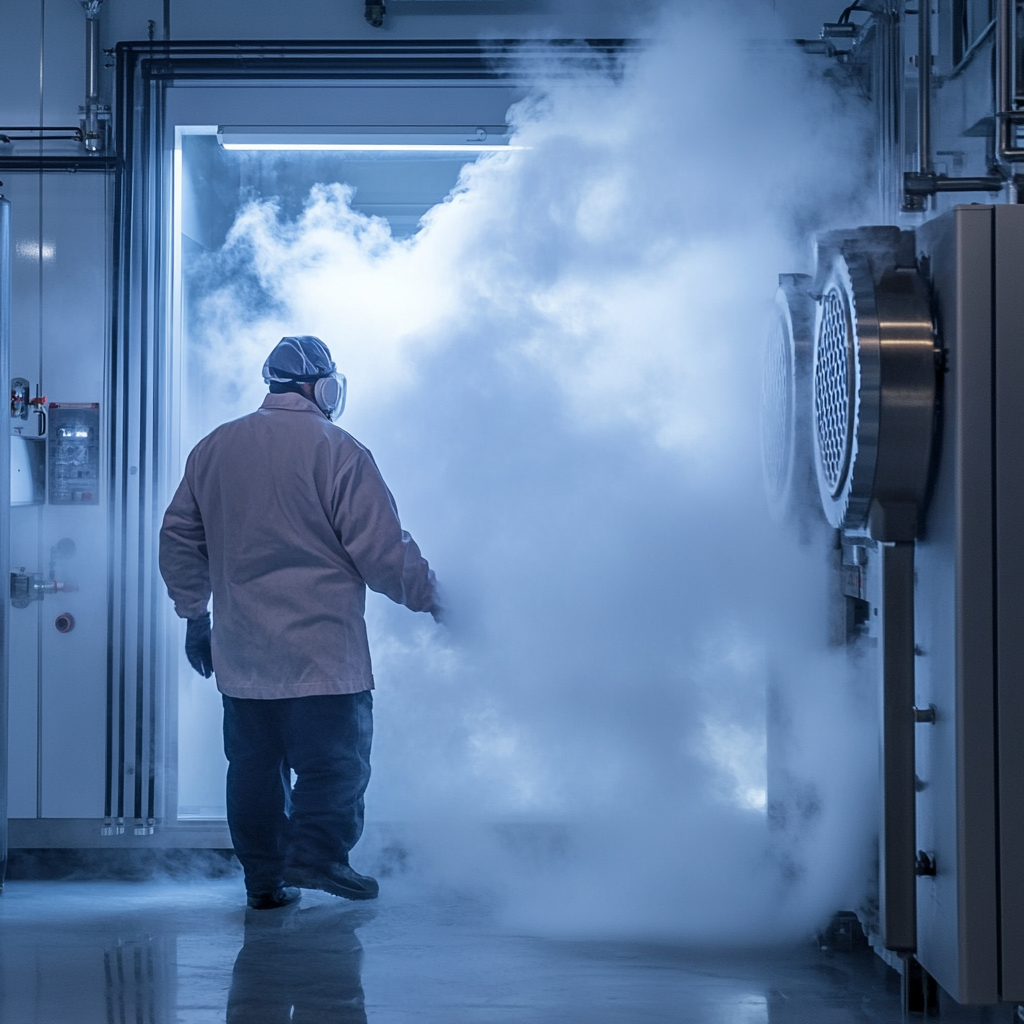
Understanding Blast Chiller Operation
Bursting with innovation, blast chillers are indispensable assets for restaurants and commercial kitchens, ensuring food safety by rapidly cooling prepared dishes before storage. However, mastering their operation can sometimes seem daunting. Here, we unravel essential operation tips while maintaining your blast chiller in peak condition. Situated in the bustling food industry of the Bay Area, these guidelines will help your restaurant equipment function smoothly, bolstering both safety and efficiency.
Key Operational Practices
Pre-chill Your Chiller
One overlooked but crucial aspect of blast chiller operation in the Bay Area is pre-chilling. Much like preheating an oven, pre-chilling ensures that your chiller is at optimal temperature before use. This ensures a uniform cooling across batches, essential for maintaining consistency in a busy commercial setup.
Regular Maintenance Checks
Restaurant equipment maintenance is key to preventing unexpected breakdowns. Routine checks ensure the efficient operation of your blast chiller. Regularly inspect for any mechanical wear and tear or any unusual noises that could indicate potential issues. A diligent maintenance routine promotes longevity and keeps your investment firmly above water.
Temperature Control
Understanding and maintaining the right temperature is at the heart of commercial chiller best practices. Ensure your blast chiller operates within its recommended range. Fluctuations might not only affect the quality of the food but also increase energy consumption, driving up operational costs. Keep an eye on temperature settings, especially during high-volume operations in your Bay Area location.
Cleaning and Hygiene
Ensuring cleanliness in your chiller is foundational to food safety. At ABC Service, we've seen firsthand how neglecting this can impact food quality and safety. Regular cleaning prevents bacterial build-up, maintains equipment efficiency, and enforces a high standard of hygiene.
Common Blast Chiller Problems and Solutions
Uneven Cooling
Sometimes, operators encounter uneven cooling, impacting product quality. Typically, this could arise from an obstruction within the chiller or overloaded compartments. Ensure air circulation is unimpeded by checking for blockages and not overfilling shelves.
Frost Buildup
Frost build-up is another concern that hinders efficient blast chiller operation in the Bay Area. This might arise due to door seals that are not airtight or excessive moisture entering the chiller. Regularly check seals and dry foods before placing them in the chiller.
Leverage Professional Expertise
As much as self-maintenance is effective, seeking expert assistance is sometimes unavoidable. That's where "Food service repair Bay Area" comes in. Whether it's part of your planned maintenance or addressing unexpected malfunctions, chiller experts like our team at ABC Service ensure your equipment functions smoothly at optimal capacity.
A Customer Story
One of our clients, a bustling restaurant located in San Mateo, faced recurring frosting issues with their blast chiller. Despite following self-repair strategies, the issue persisted, impacting their daily operations. Our team quickly identified a compromised door seal as the culprit, replacing it efficiently. Grateful for our quick and effective food service repair in the Bay Area, the client now enjoys seamless operations.
Conclusion
In the dynamic and demanding environment of commercial kitchens, mastering the nuances of blast chiller operation not only ensures compliance with food safety regulations but also boosts operational efficiency. Remember, professional rigs call for professional care. If you want to fix your blast chiller issues in the Bay Area, contact us at ABC Service and we will fix it for you.