Laboratory Refrigeration Best Practices
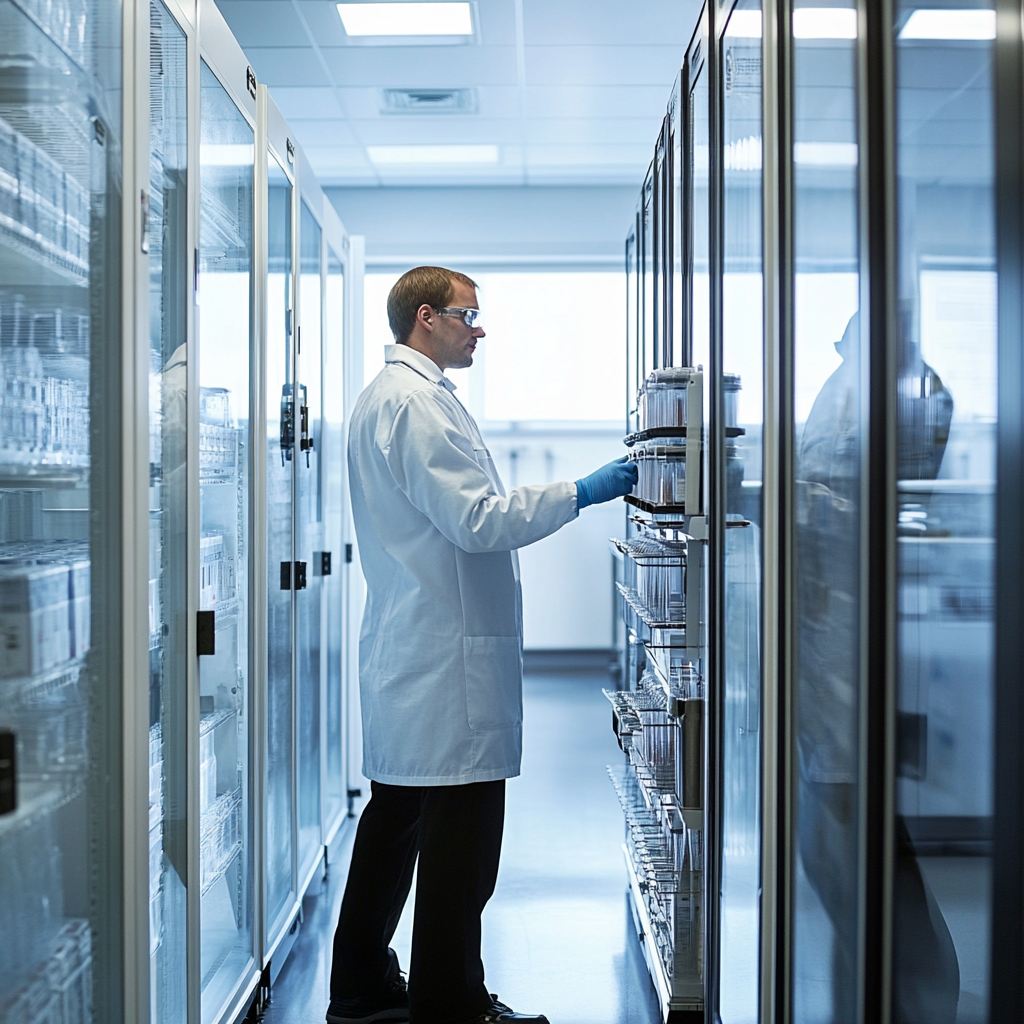
Understanding Your Laboratory Refrigerator
Laboratory refrigerators are essential in any scientific or medical facility, tasked with storing critical samples, reagents, and other sensitive materials. As these appliances operate under highly specific conditions to ensure the integrity of their contents, proper care and prompt repair are crucial. Whether you're responsible for a lab refrigerator in a research facility, hospital, or educational institution, it is vital to be aware of best practices and troubleshooting tips to maintain its efficiency and functionality.
Common Issues with Lab Refrigerators
Understanding the common problems faced by lab refrigerators helps in quick diagnosis and efficient troubleshooting. Several prevalent issues include:
- Temperature fluctuations leading to compromised samples.
- Frost build-up in cooling compartments.
- Unusual noises indicating a potential mechanical fault.
- Disrupted air circulation affecting cooling uniformity.
- Door seal leaks leading to energy inefficiencies.
These issues can often be preempted through regular maintenance, allowing you to avoid costly disruptions.
Maintenance Tips for Optimal Performance
Implementing routine maintenance not only extends the life of your laboratory refrigerator but also ensures its optimal performance. Here are some helpful tips:
Regular Temperature Checks
Regularly monitor the refrigerator’s temperature settings to ensure they are within the desired range. Continuous temperature logging can be beneficial in detecting irregular patterns early. This practice is especially critical for medical refrigeration maintenance where temperature consistency is non-negotiable.
Defrost Regularly
Frost build-up is a common issue that can disrupt proper cooling. Regular defrosting ensures the refrigerator maintains optimal internal temperatures, enhances efficiency, and prevents potential damage. Scheduling this as part of your preventative maintenance can significantly improve the lifespan of your equipment.
Clean and Inspect
Routine cleaning of internal components, such as shelves and containers, reduces contamination risks. Also, regularly inspect the gasket seals for any signs of wear or damage. A good seal is vital for energy efficiency and consistent interior conditions.
Check for Noises
Unusual noises can be an early indicator of internal issues. If you detect any abnormal sounds, it might be time to contact a lab appliance technician. Not addressing these sounds promptly can lead to bigger issues down the line.
Troubleshooting and Repair
Sometimes, even with the best maintenance practices, appliances can falter. Identifying when your lab refrigerator requires professional repair can save you time and ensure the safety of your materials.
If any repairs are beyond your expertise, it’s essential to call in the professionals. Opt for a specialized laboratory equipment service in the Bay Area to ensure your refrigerator is handled with care and precision. At ABC Service, our lab appliance technicians are experienced in scientific equipment repair and can quickly diagnose and fix any issue you might face, ensuring minimal disruption to your work.
Case Study: Prompt Repairs Mean Less Downtime
Take the case of one of our clients in San Mateo, where a sudden temperature spike in a lab refrigerator threatened sensitive diagnostic samples. Thanks to regular maintenance and swift intervention by our team from ABC Service, the issue was resolved promptly, saving the samples and averting potential research setbacks.
Conclusion
In conclusion, maintaining a laboratory refrigerator requires diligence and awareness of potential issues. Regular checks and maintenance are key to preventing malfunctions. However, when issues do arise, don’t hesitate to contact a professional service for repairs.
If you want to fix your lab refrigerator issue in Bay Area, contact us at ABC Service and we will fix it for you.